
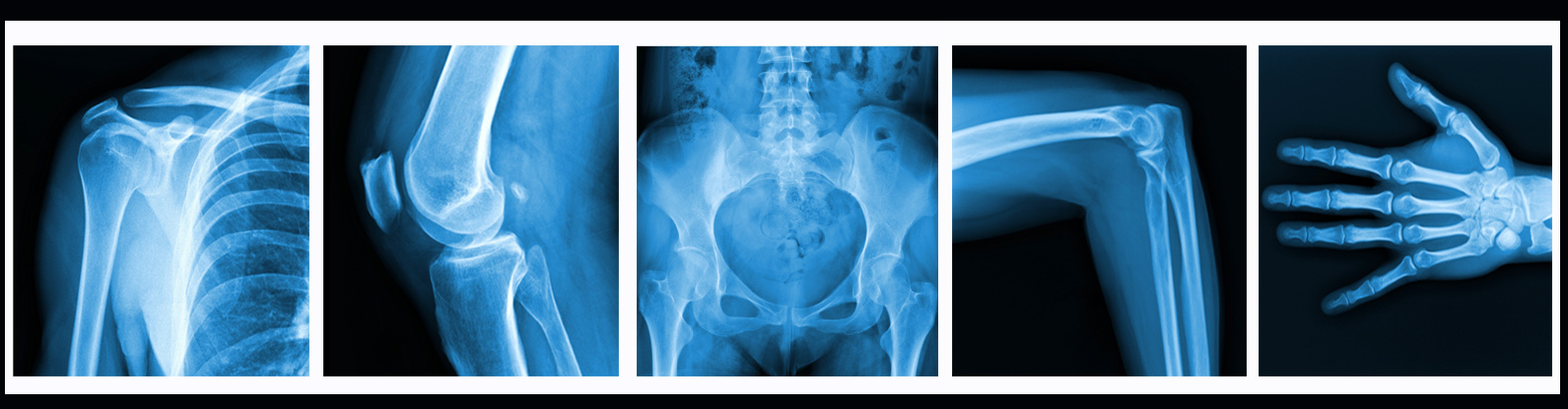
The Worst Soccer Injuries and How to Avoid Them

Soccer is one of the fastest growing sports in the United States. While soccer offers a great way to stay in shape and develop your coordination, balance, and overall cardiovascular health, players should be aware of the injury risks in order to take precautions and stay on the field long term.
Preventing Soccer Injuries
Awareness, early detection, and preventative measures can contribute to a minimized risk of soccer-related injury. Here are some of the best practices for minimizing injury before it even occurs.
1. Warm Up Half an Hour Before Playing
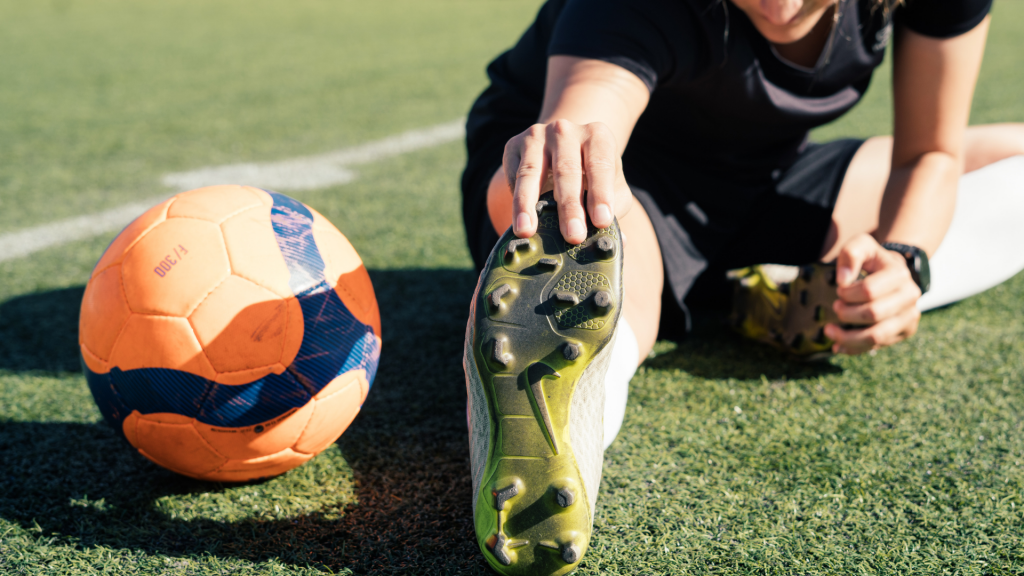
As a predominantly lower body sport, it is vital to warm up the groin area, hip flexor muscles, and hamstrings. Pay extra attention to your Achilles tendons and quadriceps.

2. Respect Your Joints
Taking anti-inflammatory medications and toughing it out through the pain could mean an injury later down the road. It’s best to take a break for one match.
3. Wear Protective Gear
From choosing the correct shoe according to the surface you’ll be playing on to making sure your shin guards are fitted correctly, all protective equipment is important.
- Mouth Guards
- Shin Guards
- Eye Protection
- Knee and Elbow Pad
If the surface you’re using to play the game is in poor shape after rainfall, be prepared for mud or slippery conditions and falls.
4. Choose Soccer Footwear by Ground Type
The actual surface you’re using to play on dictates the correct shoe to use while playing in order to limit foot and ankle injuries.
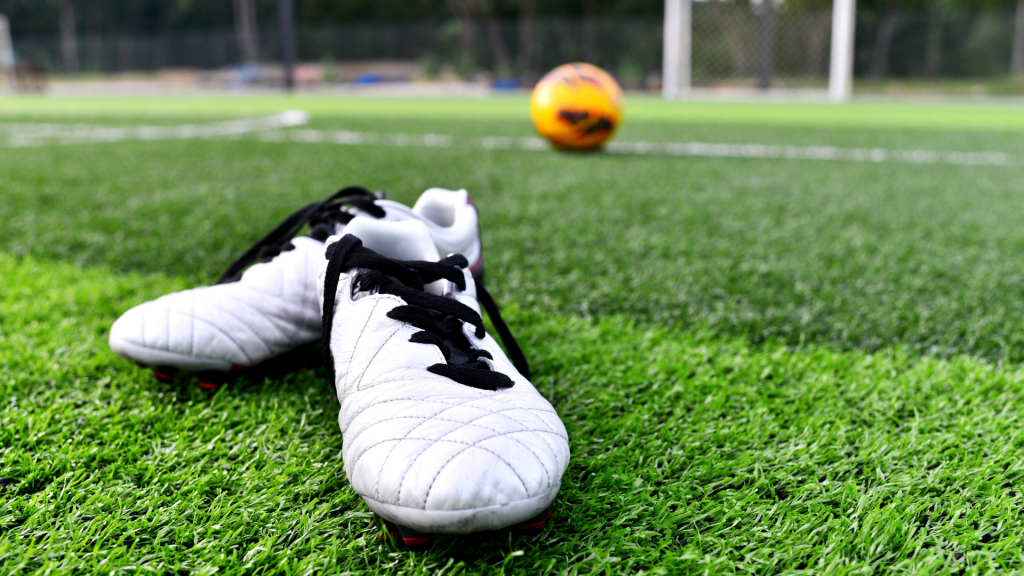
Running back and forth on soft grass delivers a very different impact on the body when compared to an indoor turf. The American Academy of Orthopedic Surgeons recommends wearing shoes with molded cleats or ribbed soles.
5. Hydrate
Drinking water throughout the day is a best practice for all sports regardless of age. Even mild levels of dehydration can make a difference in the body’s performance.
Chance of Injury Increases with Age
Children often seem invincible, but as youth soccer stars become adult hobbyists, injuries are very common, particularly in the older age groups.
A Note for Parents: Remain Aware of the Risks
According to a study published in the American Journal of Sports Medicine, 23.7% of serious soccer-related injuries led to more than 28 days of absence from sports participation in Children aged 7-12.

Overall, the instance of injury related to soccer is increasing among youth players of all ages. In addition, the majority of soccer-related injuries can be attributed to the rising popularity of the sport. Playing year-round elevates the risk of injury.
Acute vs Cumulative Soccer Injuries
Acute injuries are most common in the lower extremities, but the severity can vary widely.
Acute Injuries
- Sprains and strains
- Cartilage tears
- Anterior cruciate ligament (ACL) tear
- Fractures
- Contusions
- Cuts
- Bruises
Overuse Injuries
A great training program involves a myriad of sports activities throughout the year to avoid overuse injuries. In soccer players, these often occur most often in the lower extremity.
- Groin pulls
- Calf and muscle strains
- Shin splints or calf soreness
- Patellar tendinitis of the knee
- Achilles tendinitis of the ankle
- Stress fractures
If pain develops in any part of the body and does not improve after a few days of rest, contact your Core Orthopedics Doctor in order to determine whether a stress fracture has developed.

Strengthen at the Gym
Participating in a pre-season program to condition your body for the soccer pitch can make the difference between an injury or a seamless season.
Make sure that your pre-season workout routine includes:
- Building core muscles
- Strengthening neck muscles
- Concentrating on hip and thigh strength
By concentrating on strength training and conditioning before the season begins, players begin the season with a lowered chance of injury.
Treatment and Safe Return to Play
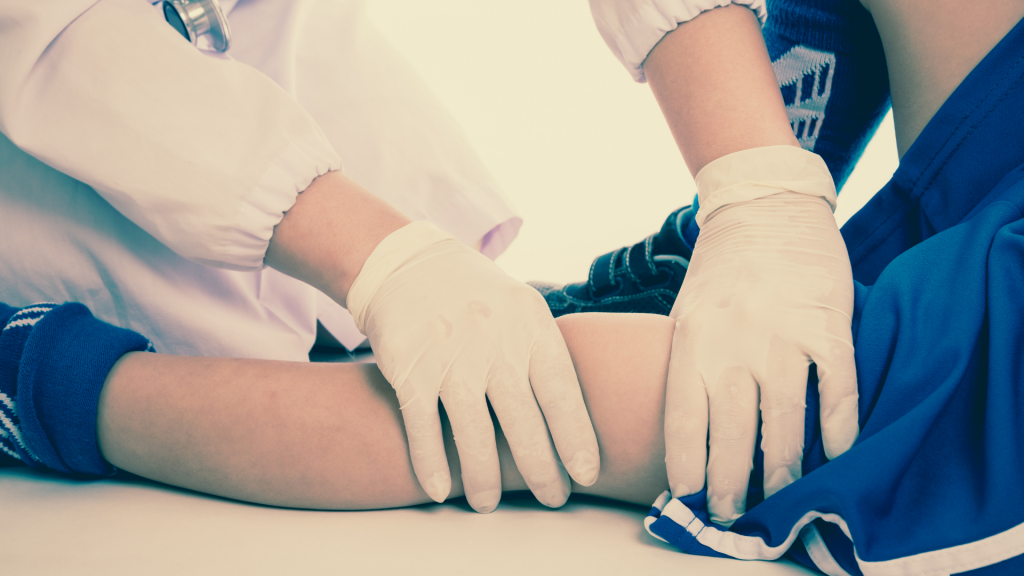
Once you have experienced a soccer-related injury, participation in sports should stop immediately. Intense pain or pain lasting longer than 2-3 days should be evaluated and treated by a medical professional. When in doubt, see your doctor.

You should only return to play when a medical professional has granted clearance.
Create a Training Plan with Core Orthopedics and Sports Medicine
Before beginning a new training program, contact Core about training. Our doctors and therapists are experts in avoiding and caring for sports injuries. They can help you devise a plan, stay motivated, and avoid overuse injuries.
Developing an injury prevention transition plan might be the answer to avoiding injury or needing to go to the emergency room for an accidental training mishap.

Location Information


Surgical Affiliations

Geneva Surgical Suites
119 Elizabeth Ln., Genoa City, WI 53128
Phone: 262-295-1213
Ascension Alexian Brothers
800 Biesterfield Rd. Elk Grove Village, IL 60007 Phone: 847-437-5500
St. Alexius Medical Center
1555 Barrington Rd.
Hoffman Estates, IL 60169
Phone: 847-843-2000
Advocate Good Shepherd Hospital
450 West Highway 22
Barrington, IL 60010
Phone: 847-381-0123